Makers & Products
Misono UX10 Santoku 180mm: What the Maker Actually Says
Disclosure: some links below are affiliate links. If you buy through one we may earn a commission at no extra cost to you. It never changes what we recommend — see our Affiliate Disclosure.
Who actually makes it
Misono’s UX10 santoku is one of the most recommended first Japanese knives among English-language home cooks. In a 2013 interview, food writer Kenji López-Alt named a Misono santoku as his own most-used knife. Here’s what Misono itself says about it, drawn from the manufacturer’s own Japanese-language site.
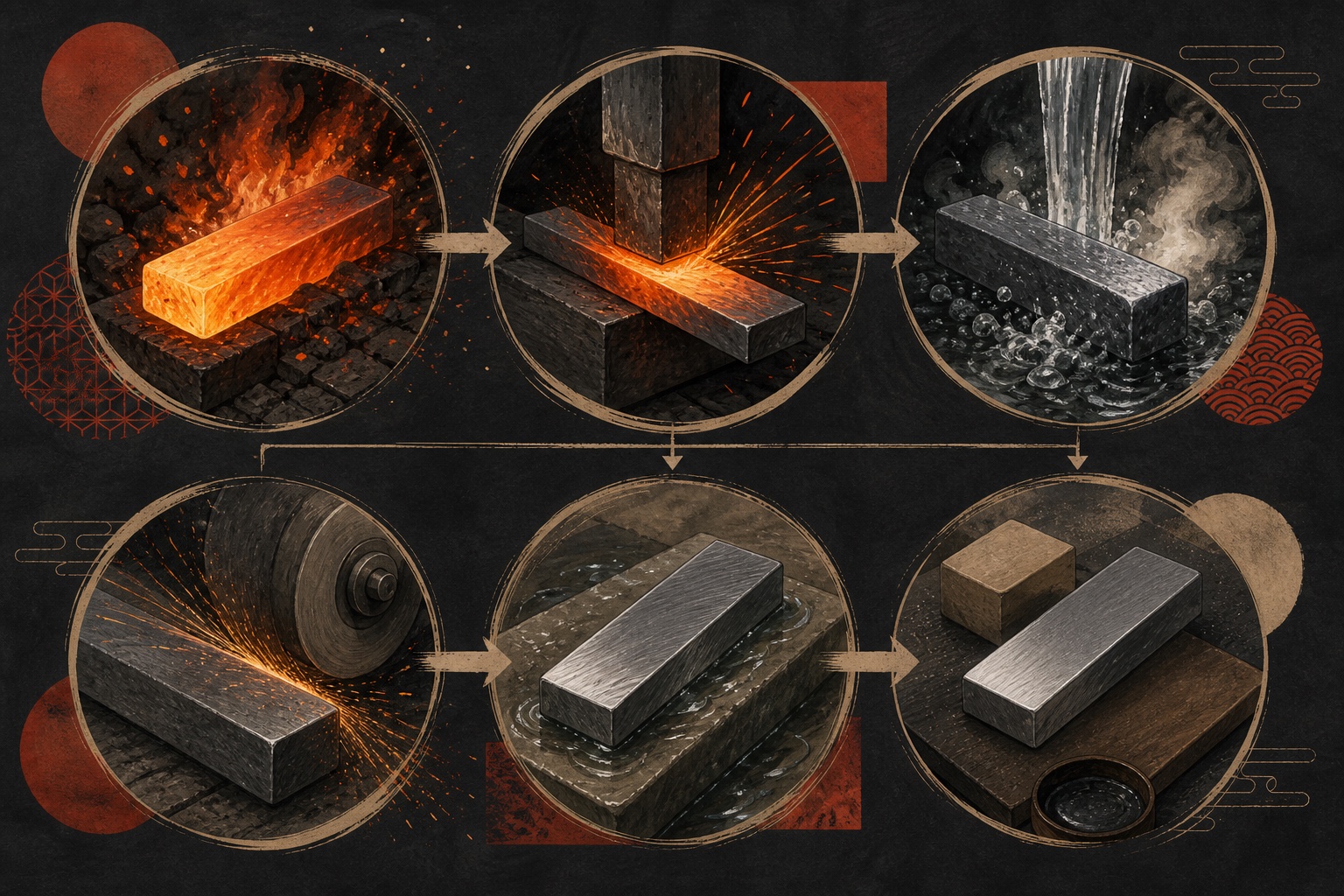
Misono UX10 knives are made by Misono Cutlery Co., Ltd., headquartered in Obuto-cho, Seki City, Gifu Prefecture. The company describes itself as an integrated manufacturer, carrying a blade through forging, shaping, heat treatment, grinding, polishing, and sharpening entirely in-house. That’s a different model from Sakai, the other major cutlery region, where those same steps are split across separate specialist workshops for forging, sharpening, and handle-fitting.
Seki, and the sword comparison Misono itself uses
Misono ties itself to Seki’s history as a sword-making center. Its site describes the city as home to the legendary swordsmith Magoroku, with roughly 800 years of cutlery tradition behind it; the Seki Cutlery Industrial Cooperative Association independently gives the figure as “over 700 years.”
For the forging process, Misono uses swordsmith language directly, describing its knives as shaped “the way a swordsmith pours their soul into the blade as they hammer and temper the glowing steel” — a simile for a shared regional craft lineage, not a claim of direct descent from any named swordsmith. (For the fuller Seki/Sakai history, see our companion piece, From Sword to Kitchen Knife.)
Where UX10 sits in Misono’s own lineup
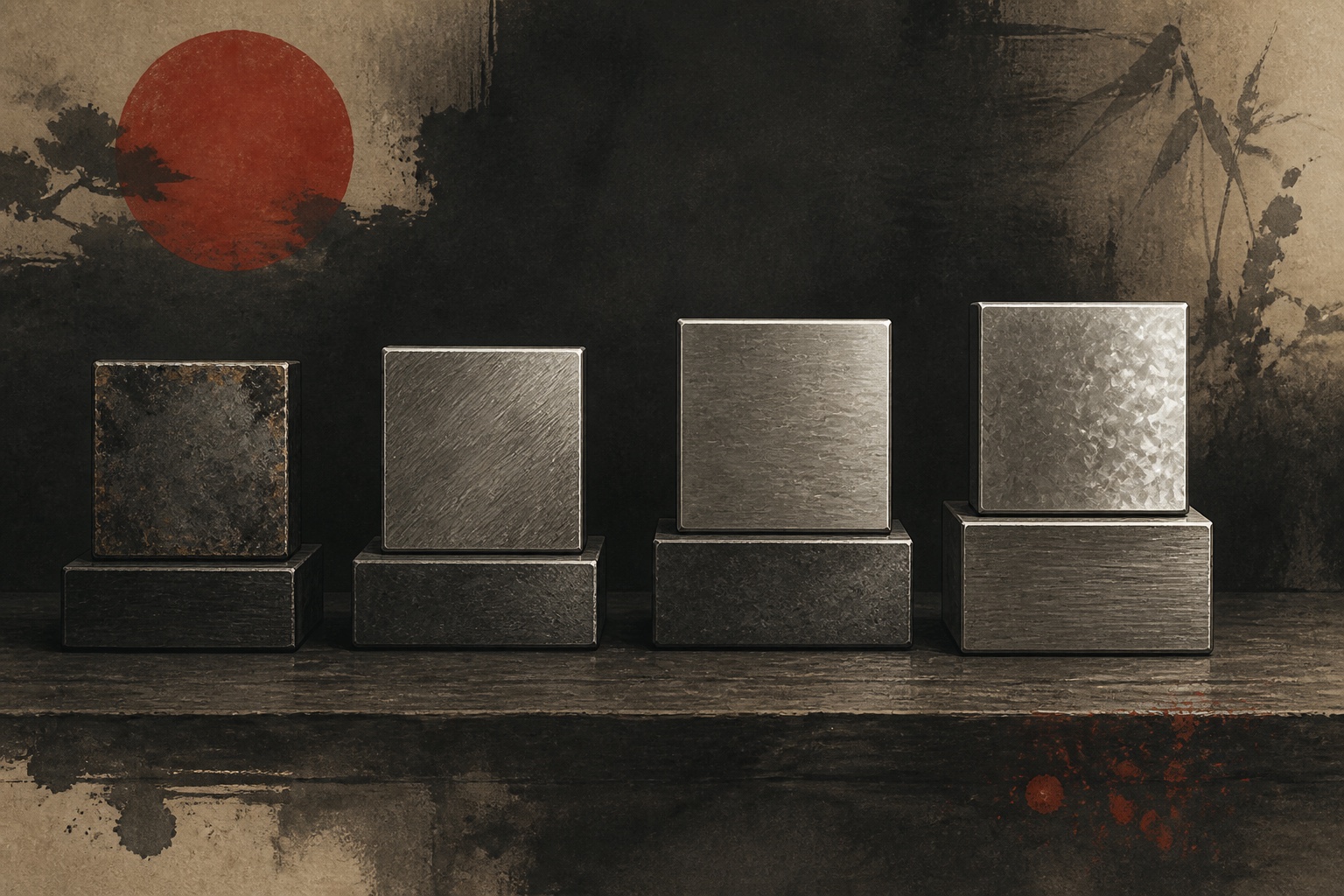
Misono sells stainless steel in tiers. The entry-level 440 line uses a 16-chrome stainless, chosen to resist rust better than the more common 13-chrome stainless. Above it, the Molybdenum line adds molybdenum to a high-carbon 13-chrome stainless for better edge retention.
Separately, the hand-forged Hagane (carbon steel) line uses high-purity EU carbon tool steel, one blade at a time — and Misono’s own copy for it ends with a single, blunt line: “It will rust.”
UX10 sits at the top of the stainless lineup, described by Misono as EU-sourced, high-purity special stainless steel — its highest-grade stainless offering.
UX10 shapes at a glance (Misono listing)
Misono’s UX10 pages list more than one shape under the same steel story. Below is the santoku + gyuto range as published on Misono’s own UX10 listing — model numbers and blade lengths only, not a ranking of “best UX10.”
| Shape (Misono label) | Model No. | Blade length (maker) |
|---|---|---|
| Santoku / 三徳庖丁 | No. 781 | 180 mm |
| Gyuto / 牛刀 | No. 711 | 180 mm |
| Gyuto / 牛刀 | No. 712 | 210 mm |
| Gyuto / 牛刀 | No. 713 | 240 mm |
| Gyuto / 牛刀 | No. 714 | 270 mm |
| Gyuto / 牛刀 | No. 715 | 300 mm |
Not a buy ranking. Worked example on this page remains No. 781; other rows show the line exists beyond one SKU. Source: UX10 santoku/gyuto listing; series framing on UX10 top (confirmed 2026-09-22).
What the maker claims, precisely
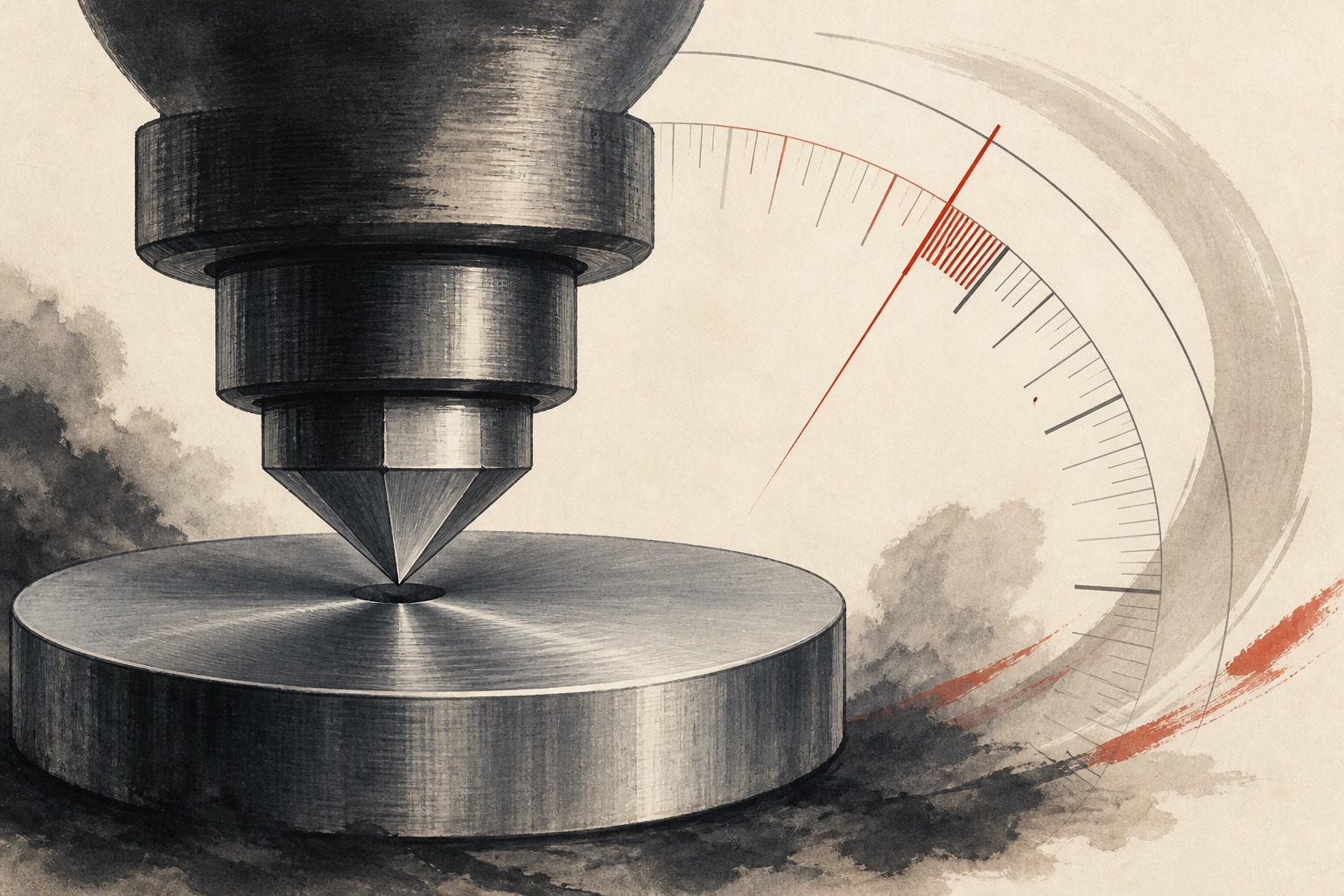
UX10’s published hardness is HRC 59–60. Misono pairs that with a promise about sharpening feel: sharpness and ease of sharpening “on par with a Hagane knife” — the idea being carbon-steel-like sharpening without carbon steel’s rust risk.
Misono doesn’t publish the steel’s specific grade or alloy designation, only the broader description “high-purity special stainless steel.”
The numbers, and where each one comes from
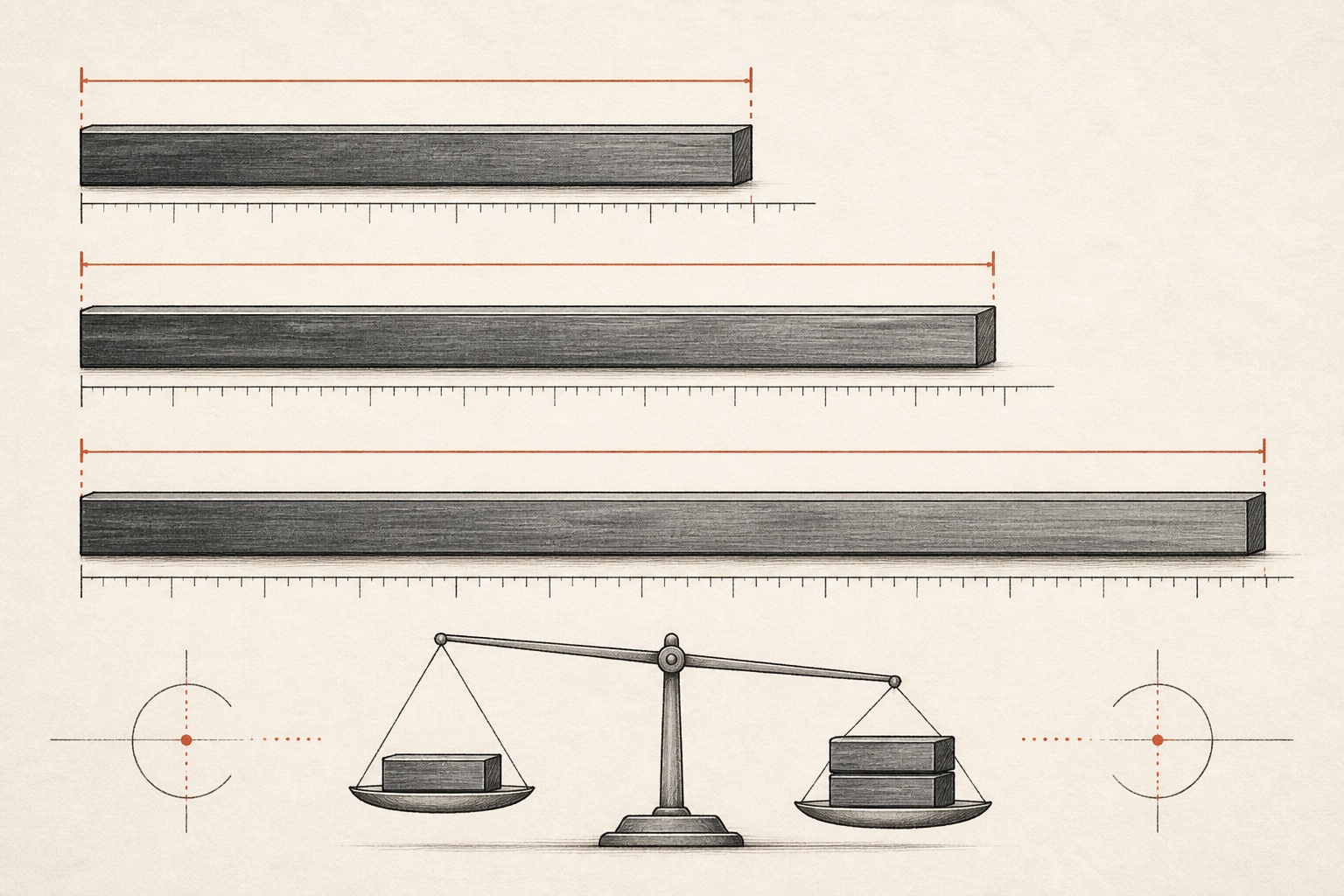
Misono’s own product page lists this santoku as model No. 781, 180mm. Hocho Knife’s listing uses the same model number (MS-No.781), confirming it’s the same knife.
Misono confirms the 180mm blade length. The remaining physical specs — 305mm overall length, 170g weight, and a double-beveled edge — come from Hocho Knife’s spec sheet; Misono’s own page doesn’t publish those details.
FAQ — UX10 steel, hardness, and lineup
Is Misono UX10 the same steel as VG10?
Misono does not publish an alloy grade such as VG10 on the UX10 pages checked. It describes EU-sourced high-purity special stainless and places UX10 at the top of its stainless lineup (UX10 top). Retailer “Swedish / Sandvik-class” wording is retailer language, not a Misono grade code.
What hardness does Misono publish for UX10?
HRC 59–60 on Misono’s UX10 series page — a maker-published range (UX10 top; confirmed 2026-09-22).
Does “Swedish / EU steel” mean the knife is made in Europe?
No. Steel origin and knife manufacture are separate claims. Misono states in-house production in Seki (forging through sharpening). For the broader Made-in-Japan vs Japanese-style split, see What Does “Japanese” Mean on a Kitchen Knife?.
How does UX10 sit vs Misono Molybdenum and 440?
Maker tiers, compressed: 440 = 16-chrome stainless story; Molybdenum = molybdenum-bearing high-carbon 13-chrome stainless story; UX10 = top stainless / EU high-purity special stainless. A separate Hagane (SWEDEN carbon) line ends with Misono’s rust warning. Details stay on the 440, Molybdenum, Hagane, and UX10 series pages.
Does the UX10 line include gyuto sizes, or only this santoku?
Yes — Misono’s listing shows gyuto No. 711–715 (180–300 mm) beside santoku No. 781 (180 mm) (santoku/gyuto listing). This article’s worked example stays No. 781.
Can I use the standard UX10 santoku left-handed?
Stick to published construction. Among sources used here, a double bevel appears on the retailer sheet for No. 781; Misono’s own product listing emphasizes model number and length more than bevel ratio. Misono does not publish a 70/30 grind or a left-handed SKU on the UX10 pages checked — so we do not invent one.
Who this 180mm santoku is for
At 180mm, this santoku is 30mm shorter than a common 210mm gyuto. Its double-beveled edge also makes the standard model usable in either hand, unlike a traditional single-bevel knife whose handedness matters. Beyond those dimensions and construction details, we can’t make a responsible claim about handling or cutting feel without using the knife ourselves.
Sources
- Fox News — Kenji López-Alt talks kitchen knives (2013 interview; verbatim quote confirmed August 6, 2026)
- Misono Cutlery Co., Ltd. — UX10 series top page (Japanese; confirmed 2026-09-22)
- Misono Cutlery Co., Ltd. — UX10 santoku/gyuto listing (Japanese; confirmed 2026-09-22)
- Misono Cutlery Co., Ltd. — company top page (Japanese; confirmed August 2, 2026)
- Misono Cutlery Co., Ltd. — Molybdenum series (Japanese; confirmed August 2, 2026)
- Misono Cutlery Co., Ltd. — 440 series (Japanese; confirmed August 2, 2026)
- Misono Cutlery Co., Ltd. — Hagane (EU/Swedish carbon steel) series (Japanese; confirmed August 2, 2026)
- Seki Cutlery Industrial Cooperative Association — Misono Cutlery member page (Japanese, with official English translation on the same page; confirmed August 2, 2026)
- Hocho Knife — Misono UX10 Swedish Stainless Santoku 180mm product listing (confirmed August 2, 2026)