Buying Guides
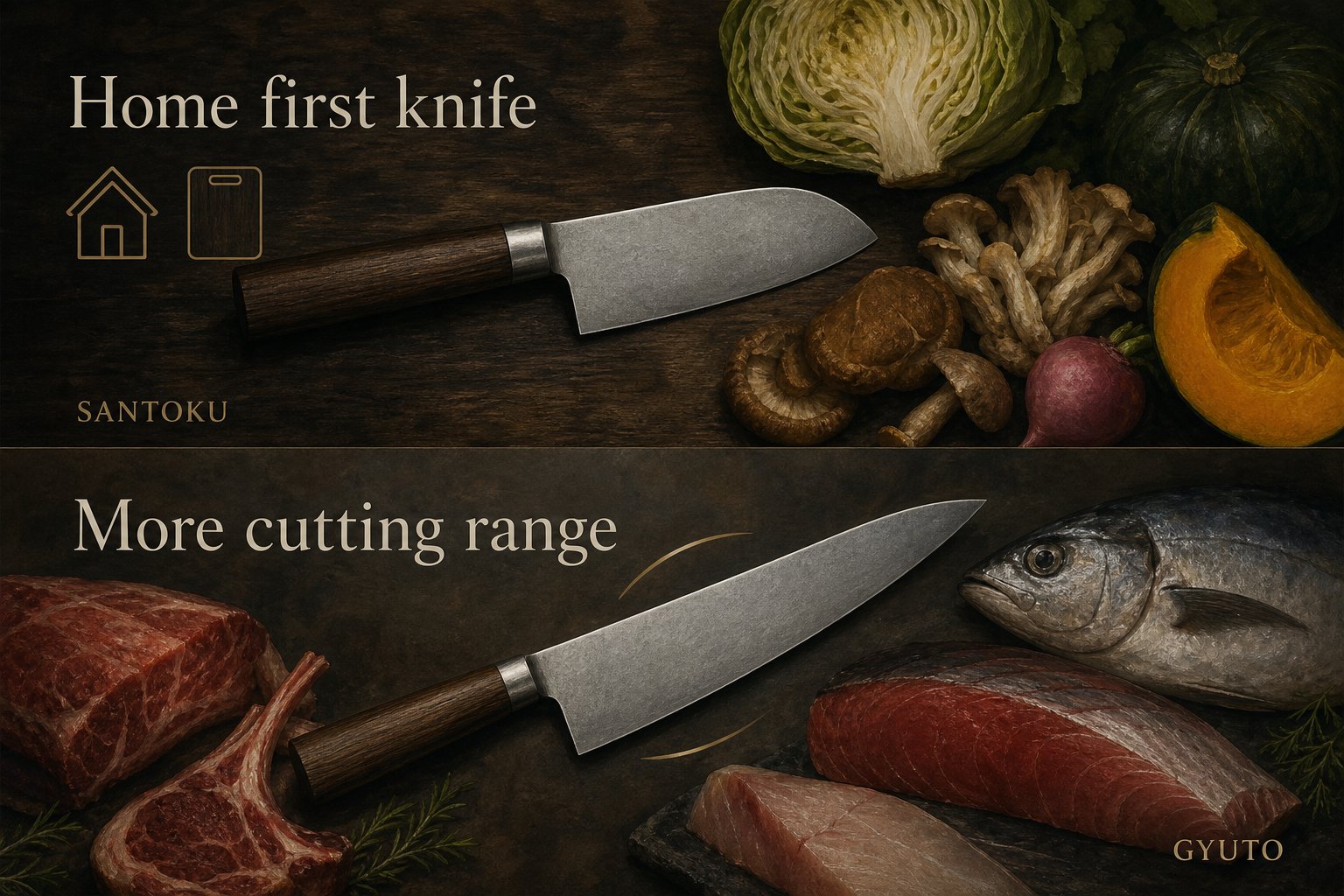
Gyuto vs Santoku: How Japanese Makers Frame Your First Knife
Gyuto vs santoku as sibling all-purpose profiles — how TOJIRO defines each shape, which way for a first knife, entry steel and the $150–400 band, with worked examples.
Independent · Japanese-source guide
No hype, no “Japanese-style” tricks. We read the Japanese manufacturer, regional, and industry sources first — then explain, in plain English, what actually makes a knife worth buying.
Buying Guides
Gyuto vs santoku as sibling all-purpose profiles — how TOJIRO defines each shape, which way for a first knife, entry steel and the $150–400 band, with worked examples.
Makers & Products
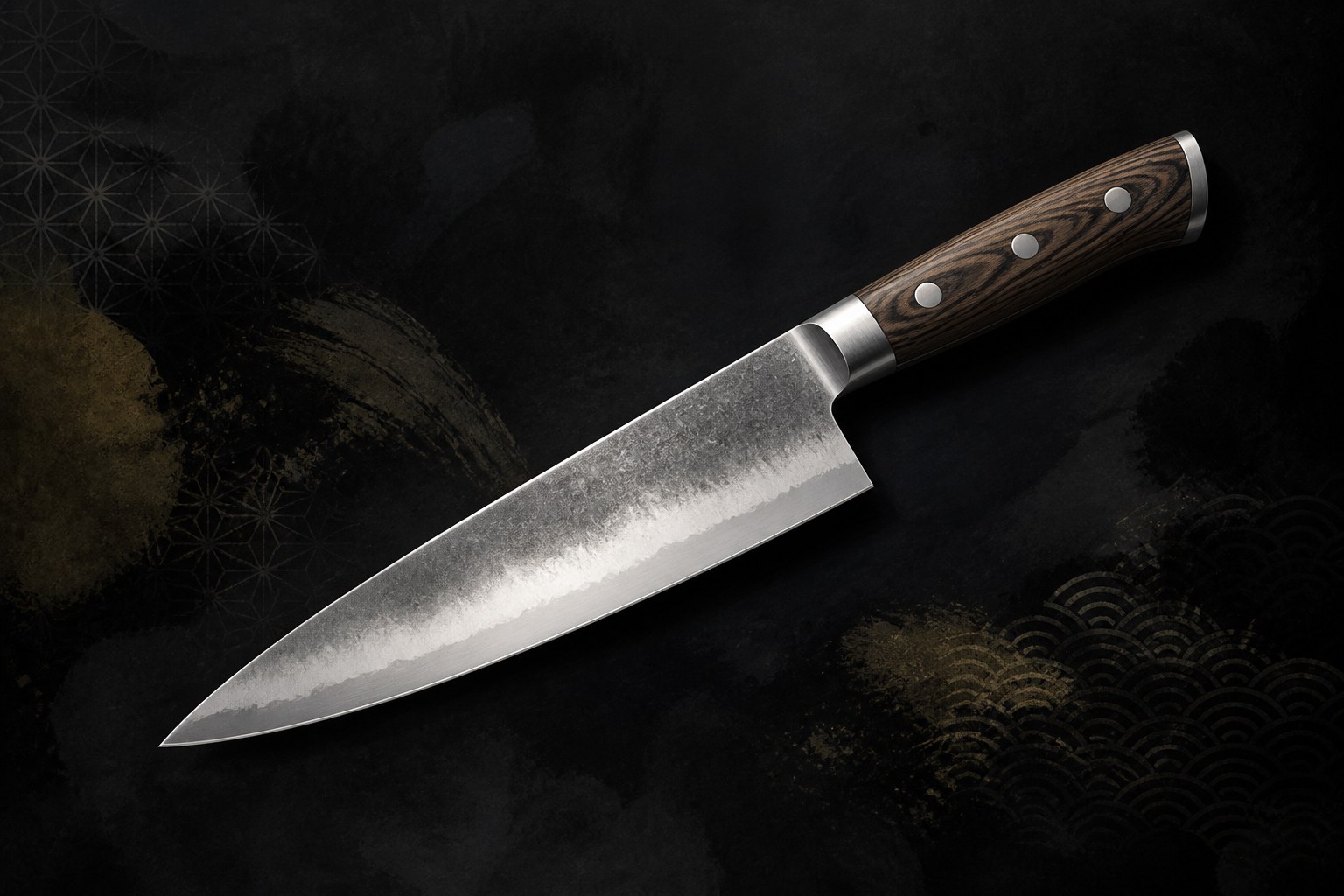
Tojiro CLASSIC F-808 and Fujitora FU-808 — same materials, different marks. What Tojiro's Japanese sources say about the dual-brand gyuto and the published specs.
Buying Guides
When a product page says Japanese, does it mean Made in Japan, Japanese steel, or Japanese-style? How to read the label using Japanese primary sources — origin rules, region clues, and five checks before you buy.
Makers & Products
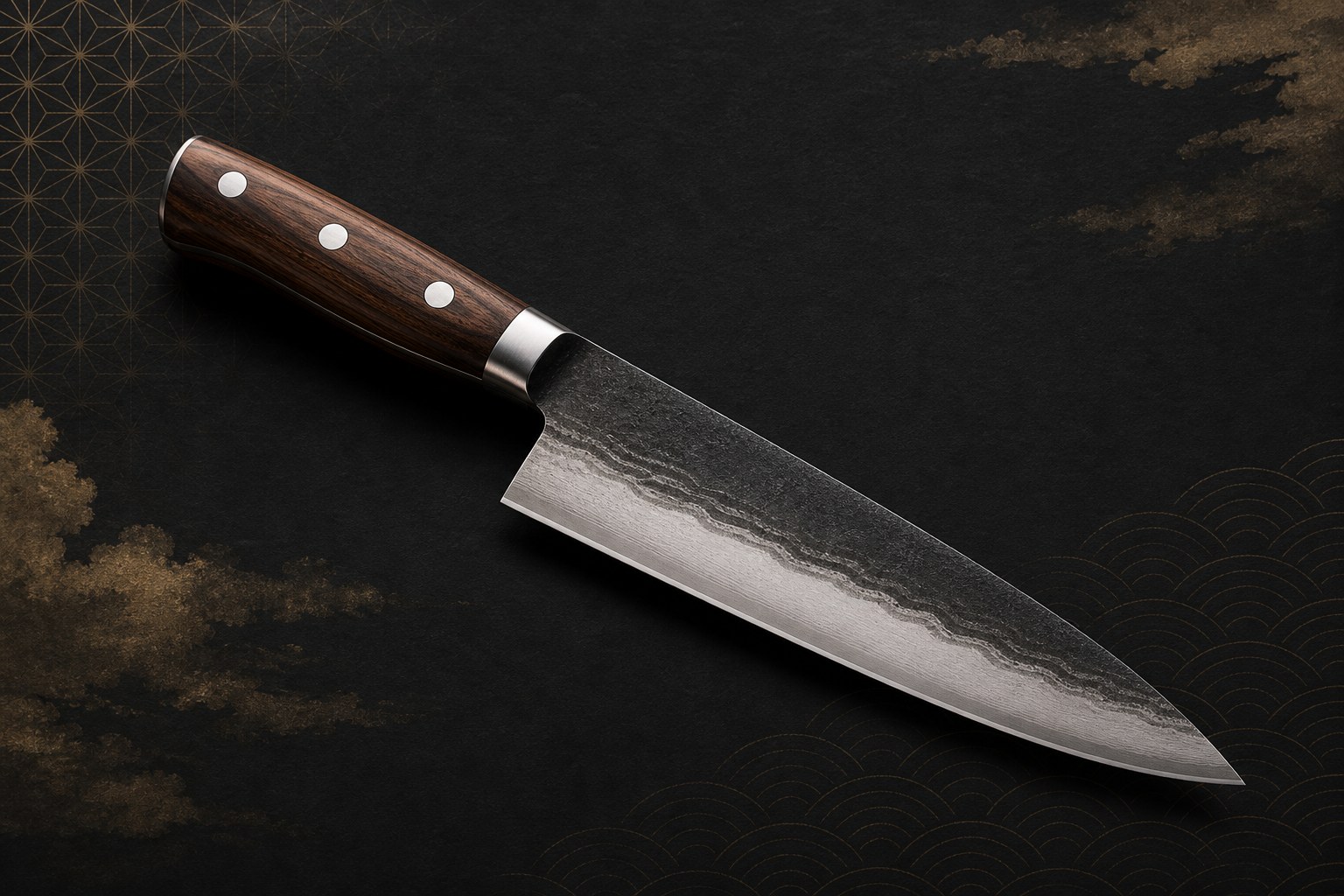
What Misono's Japanese sources reveal about the UX10 Santoku No. 781: HRC 59–60, steel positioning, in-house production in Seki, and which specs come from the maker vs. the retailer.
Craft & History
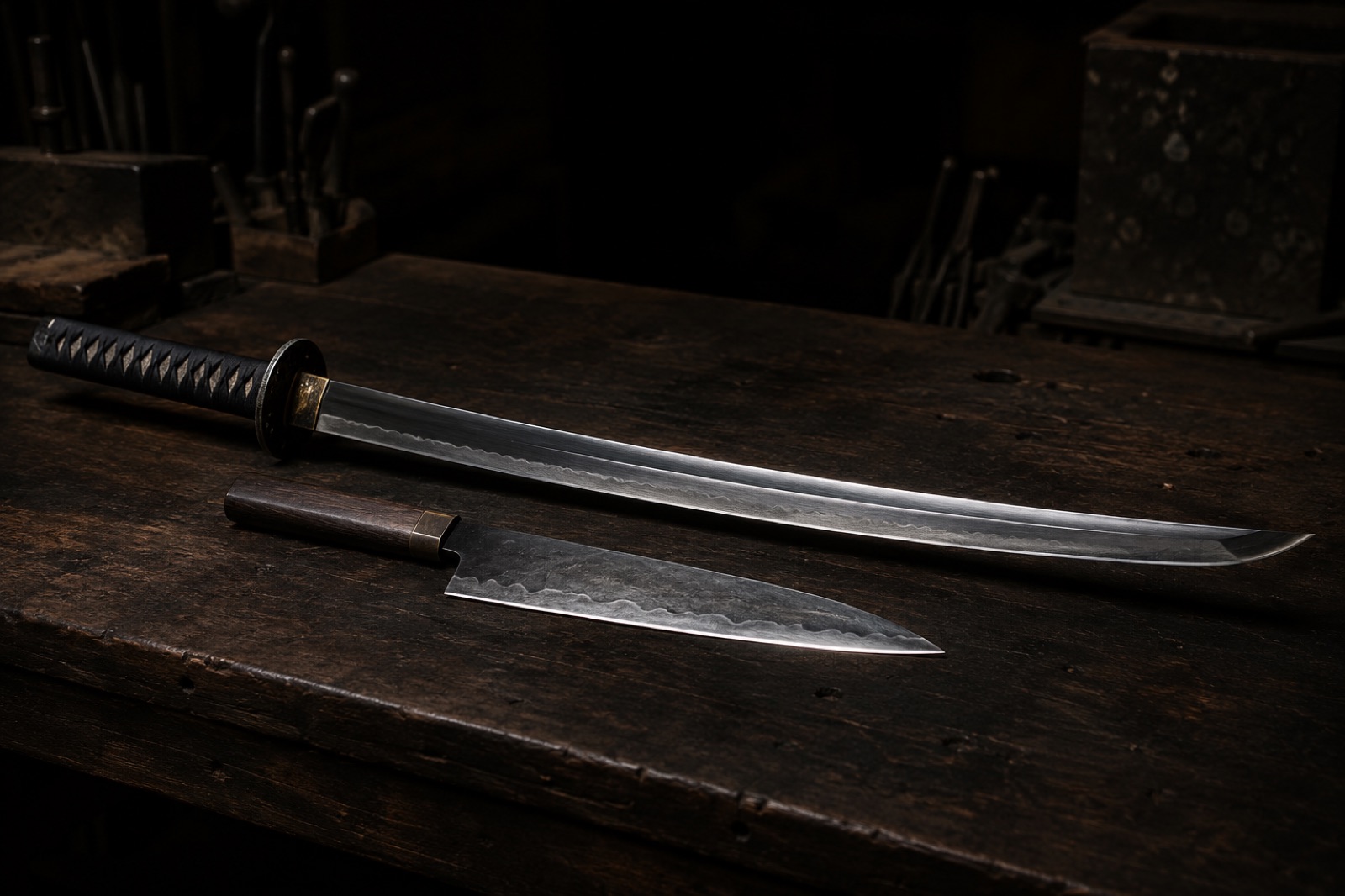
Not a marketing myth, but not literal descent either. How peacetime left swordsmiths without work, guns and tobacco built two knife towns, and the makers themselves warn against overstating the connection — the real link between Japanese swords and the kitchen knife in your drawer.
Craft & History
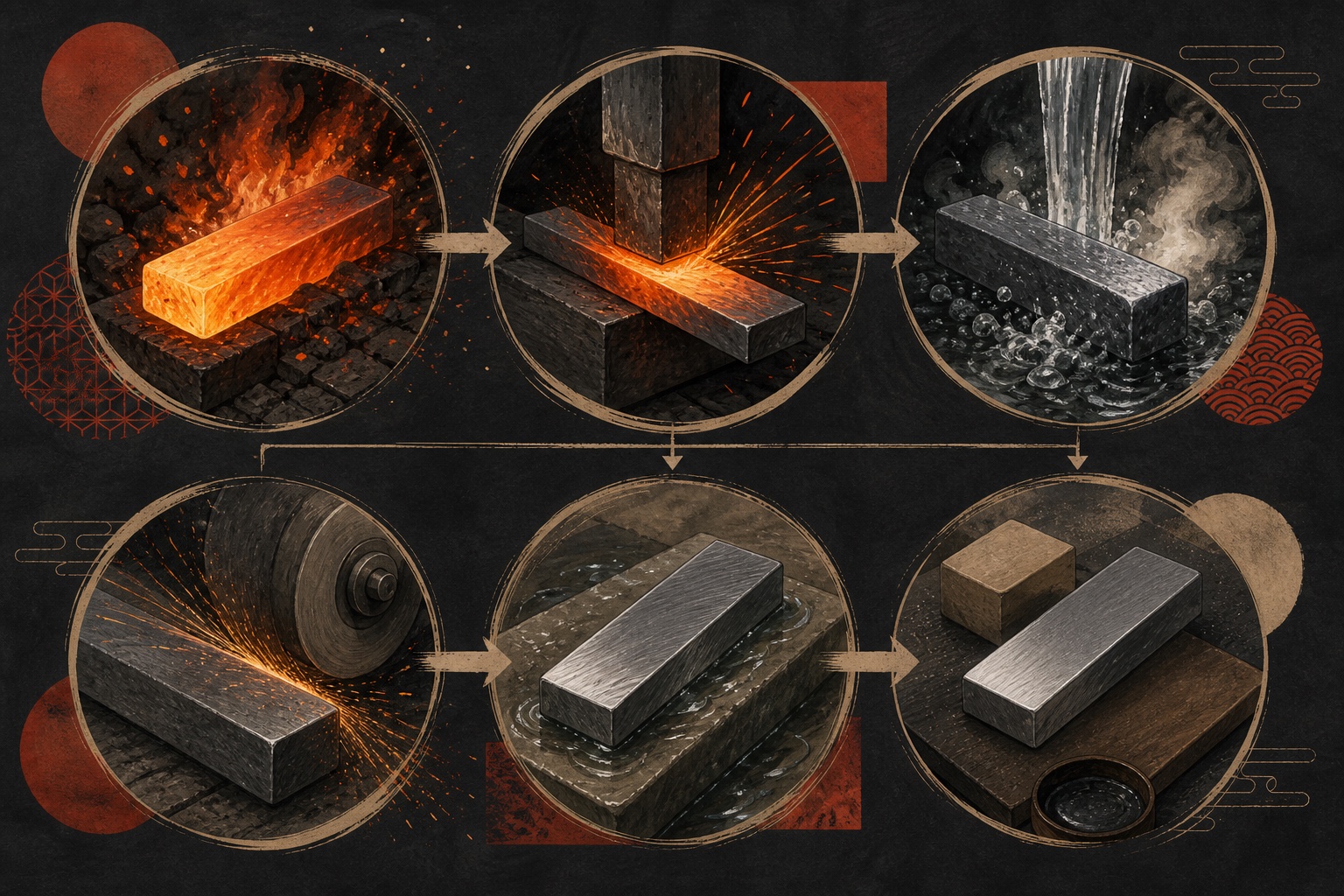
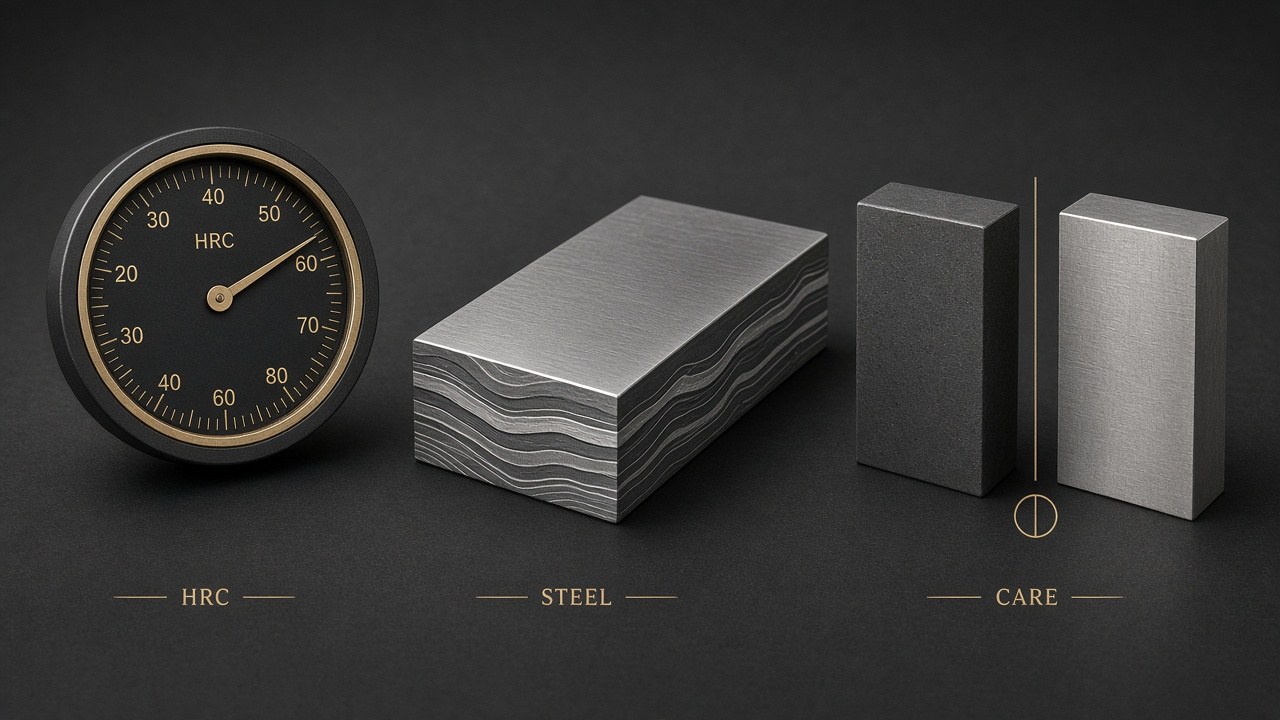
Not 'because they're Japanese.' The real reasons Japanese knives cut so well — steel hardness, thin geometry, heat treatment, and a thousand years of regional craft — explained from Japanese primary sources.